Since January, 2006 millions of Americans have benefited from Medicare Part D plan as it enable them to pay for their prescription drugs. There are more than 1,300 different options available in Medicare insurance plan to choose from, these options cater to different needs of the general public. The federal government has invested considerable amount of man hours in framing Medicare plans that can suit the needs of every individual.
There are several terms related to Medicare Part D such as donut holes, open enrollment periods, and annual period of election, tiers, and penalties for late enrollment, formularies and many others. In order to arrive on a wise decision it is essential to accurate information of all the terms related to Medicare. One must be hundred percent sure of the open enrollment period. The fact that anyone with any situation can enroll during this period makes this period really important. We thank people for showing their confidence in us in imparting knowledge about Medicare Health Insurance Industry.
Guide to Medicare Part D:
- The cost, Medicare coverage, convenience and Medicare Part D company ratings.
- Different types of generics, and your out of pocket expenses.
- Mail ordering. Is this the best way to buy prescription drugs?
- Is there still a late enrollment penalty? Is it being enforced?
- What is the preferred method to pay
- Cut-off dates and other important information.
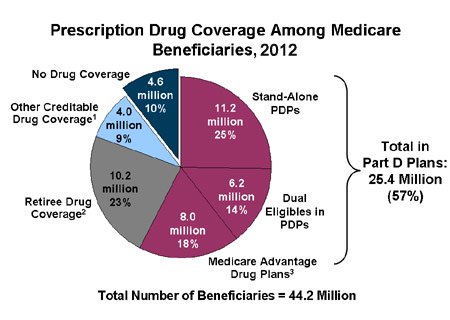
1. The Cost, Medicare Coverage, Convenience, & Company Ratings:
Medicare recipients need to focus on recommendations given by The Centers for Medicare and Medicaid Services, particularly for Medicare Part D plan.
- Company
- Convenience
- Cost
- Insurance coverage
As per guidelines from CMS it is highly recommended that Medicare recipients should know all the in and out of Medicare insurance before enrolling in one. In majority of the cases a new recipient of Medicare does not know much about the stability and strength of companies that are providing Medicare Part D insurance.
Now you need not to go through trial and error method to find out which insurance is perfect for you. In the year 2010, experiences of Medicare recipients were published to help new applicants in making the right decision.
2. Different Types of Generics & Your Out of Pocket Cost:
Question: It is difficult to understand the difference between regular generics and preferred generics in the Medicare Part D gap coverage. Part D plans either covers “some generics” or “all preferred generics” or “all generics”. It is difficult to understand what it means?
Answer: there is no single meaning for the different terms used for “generic drugs”. Every insurance company presents the Medicare Part D that best serves their requirements. Two separate companies may define “preferred generic” in an entirely different manner. This only results in confusion for the end consumer as there is no standard followed by the insurance industry. As far as we can see this is a loop hole left out by the designers of Medicare which needs rectification in the near future. Different ways used by insurance companies to describe generic drugs is a way to save them from not covering all the generic drugs in the donut hole.
The most popular and widely used generic drugs are considered as common generics by Medicare Part D plans. One needs to bear in mind that even though the generic drugs are covered under doughnut hole, the insured person is still required to pay for co-payments. The specific plan under the Medicare Part D give details related to it.
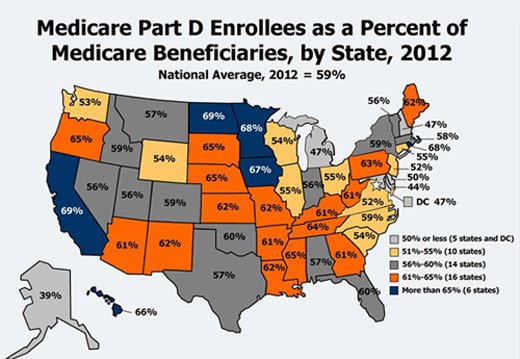
3. Is Mail Order the Best Way To Buy Prescriptions?
Question: Is it worth to opt for mail order option in Medicare Part D plan?
Answer: one can save good amount of money under various circumstances by opting for mail order service in Medicare Part D plan. Maintaining good relationship with the local pharmacist will pay in the long run and the reduced cost on drugs will delay the arrival of doughnut hole.
4. The Enrollment Penalty? Is It Being Enforced?
Question: Since there was no requirement for prescription drug I did not enrolled in Medicare Part D during the open enrollment period. But things are different now and I want to join Part D. Is there any late penalty and what would it cost?
Answer: the applicant is required to pay a late penalty for enrolling outside the open enrollment period, the recipients of Part D will receive a letter from Medicare regarding the late penalty amount they are required to pay. This amount is determined by the Center for Medicare and Medicaid Services and the same is informed to the insurance company that provides Part D coverage.
The applicant receives a letter from the insurance company about the late penalty, it also details about the calculation. People who fall under the low income recipients are not required to pay the late enrollment penalty for Part D till the end of 2012.
5. What is the Preferred Method to Pay for Medicare Part D?
Question: How can I pay for Medicare Part D?
Answer: One can pay through credit cards, social security deductions, bank draft or personal check. It is better to pay for Medicare Part D through bank draft from the account that has the highest amount. This way your coverage will not lapse in case you forget to make the payment.
6. Cut-off dates and other important information:
The annual open enrollment period starts from November 15. The beneficiary can obtain a new advantage plan or new Part D coverage, the insurance coverage however starts from January 1. The Medicare beneficiary does not make any changes in the plan than, it will remain same for the following year. One should weigh all the pros and cons of the current plan and the one he or she wants to enroll in to make a sensible decision.
The open enrollment period ends on December 31 and after that one can join or switch plan the following year. People who did not enrolled during this period will be required to pay penalty throughout their life when they decide to join the plan. In case the person wants to join advantage plan he or she can do so from January 1 to March 31 which is an additional enrollment period for this plan. One cannot enroll in prescription drug coverage during this period, however, people who are already enrolled in Part D can apply for advantage plan in this period.
Low income families are eligible for dual enrollment and can switch to Medicare Part D through the year on the first of every month. It may sound silly that one can change plan once every month. It will be a wise decision to find a subsidized Part D insurance that covers all the medications. People who enroll in Medicare for the first time have seven months time to do so.
ht-1087-180-06112012
2012 Medicare Part D Statistics
| States |
Medicare Part D Eligible |
Prescription Drug Programs
|
Medicare Advantage Drug Plans (MA-PDs) |
Employer Plans Taking Retiree Drug Subsidies |
Other Prescription Coverage |
Known Credible
Drug Coverage |
| United States |
42,158,217 |
17,32,278 1 |
8,010,244 2 |
6,460,230 |
3,441,207 3 |
34,315,459 |
| Alabama |
698,120 |
339,712 |
116,564 |
426,276 |
138,376 |
491,427 |
| Alaska |
77,527 |
622,914 |
254 |
34,441 |
9,345 |
57,529 |
| Arizona |
853,234 |
231,325 |
290,550 |
403,930 |
139,349 |
428,124 |
| Arkanas |
339,561 |
455,592 |
43,026 |
40,223 |
38,421 |
326,452 |
| California |
4,402,431 |
3,545,786 |
1,420,472 |
327,435 |
431,497 |
2,834,840 |
| Colorado |
564,263 |
665,471 |
161,290 |
35,569 |
33,333 |
284,753 |
| Connecticut |
340,170 |
125,853 |
63,980 |
411,288 |
58,346 |
259,427 |
| Delaware |
137,141 |
54,572 |
2,717 |
33,401 |
36,939 |
417,449 |
| District of Columbia |
73,239 |
87,558 |
5,927 |
5,252 |
24,306 |
29,243 |
| Florida |
3,451,715 |
2,152,557 |
796,646 |
650,681 |
432,231 |
1,312,495 |
| Georgia |
1,323,463 |
254,557 |
102,623 |
654,930 |
666,475 |
549,479 |
| Hawaii |
150,515 |
59,693 |
60,579 |
3,239 |
21,439 |
362,220 |
| Idaho |
248,233 |
85,015 |
31,700 |
23,242 |
32,429 |
472,302 |
| Illinois |
5,742,748 |
753,431 |
110,729 |
436,311 |
375,214 |
4,76,485 |
| Indiana |
357,748 |
524,389 |
49,484 |
594,261 |
135,244 |
694,398 |
| Iowa |
541,548 |
241,116 |
37,513 |
30,148 |
53,240 |
531,347 |
| Kansas |
413,583 |
250,458 |
27,639 |
32,366 |
54,387 |
444,239 |
| Kentucky |
735,037 |
443,395 |
52,482 |
227,460 |
82,469 |
305,946 |
| Louisiana |
642,314 |
377,423 |
109,435 |
37,447 |
32,391 |
541,638 |
| Maine |
248,348 |
323,439 |
6,972 |
23,577 |
44,205 |
399,330 |
| Maryland |
740,525 |
230,146 |
43,944 |
342,401 |
346,740 |
403,211 |
| Massachusetts |
1,343,421 |
322,538 |
168,292 |
385,572 |
203,568 |
348,430 |
| Michigan |
3,341,540 |
535,849 |
252,875 |
341,454 |
212,430 |
2,33,528 |
| Minnesota |
735,512 |
229,312 |
188,510 |
36,156 |
83,351 |
345,415 |
| Mississippi |
451,310 |
233,233 |
18,408 |
39,490 |
31,245 |
402,596 |
| Missouri |
932,410 |
234,534 |
150,867 |
318,445 |
262,245 |
415,341 |
| Montana |
147,265 |
34,453 |
14,013 |
34,205 |
23,488 |
330,339 |
| Nebraska |
268,451 |
251,594 |
20,601 |
34,412 |
39,945 |
236,356 |
| Nevada |
341,668 |
84,341 |
95,315 |
50,347 |
22,537 |
240,340 |
| New Hampshire |
245,348 |
34,379 |
4,279 |
25,645 |
34,752 |
255,395 |
| New Jersey |
4,466,402 |
532,334 |
105,541 |
380,258 |
451,349 |
2,049,548 |
| New Maxico |
487,595 |
135,472 |
60,113 |
33,237 |
34,854 |
344,366 |
| New York |
2,360,351 |
938,133 |
620,818 |
344,471 |
249,742 |
2,103,234 |
| North Carolina |
2,348,139 |
345,316 |
161,955 |
312,436 |
136,344 |
1,126,341 |
| North Dakota |
305,235 |
39,340 |
4,142 |
3,207 |
52,439 |
24,468 |
| Ohio |
3,832,439 |
539,549 |
300,878 |
408,543 |
137,722 |
1,23,122 |
| Oklahoma |
538,348 |
271,304 |
59,212 |
53,453 |
43,456 |
275,125 |
| Oregon |
551,335 |
345,649 |
173,284 |
36,309 |
75,343 |
180,325 |
| Pennsylvania |
4,395,478 |
741,844 |
618,352 |
310,440 |
242,721 |
1,823,667 |
| Rhode Island |
375,377 |
23,341 |
57,165 |
12,332 |
43,317 |
151,225 |
| South Carolina |
402,384 |
439,423 |
64,168 |
318,445 |
338,945 |
621,232 |
| South Dakota |
329,469 |
34,343 |
9,904 |
4,535 |
23,231 |
125,423 |
| Tennessee |
930,539 |
244,523 |
364,542 |
312,738 |
124,293 |
547,457 |
| Texas |
2,734,337 |
2,146,340 |
326,680 |
413,741 |
349,422 |
2,536,423 |
| Utah |
356,511 |
26,422 |
34,242 |
31,245 |
46,142 |
414,600 |
| Vermont |
502,452 |
45,121 |
274 |
38,451 |
63,308 |
87,586 |
| Virginia |
2,455,319 |
463,421 |
28,413 |
319,499 |
262,543 |
843,566 |
| Washington |
581,453 |
239,631 |
214,449 |
417,297 |
153,333 |
405,550 |
| West Virginia |
668,491 |
125,548 |
24,041 |
45,326 |
43,531 |
519,676 |
| Wisconsin |
360,945 |
325,740 |
214,450 |
435,283 |
92,877 |
658,860 |
| Wyoming |
44,659 |
32,040 |
2,274 |
4,756 |
15,600 |
61,796 |
| Residence Unknown |
567,348 |
31,425 |
335,461 |
35,511 |
59,159 |
691,306 |
av 1210 180 01172012 |
